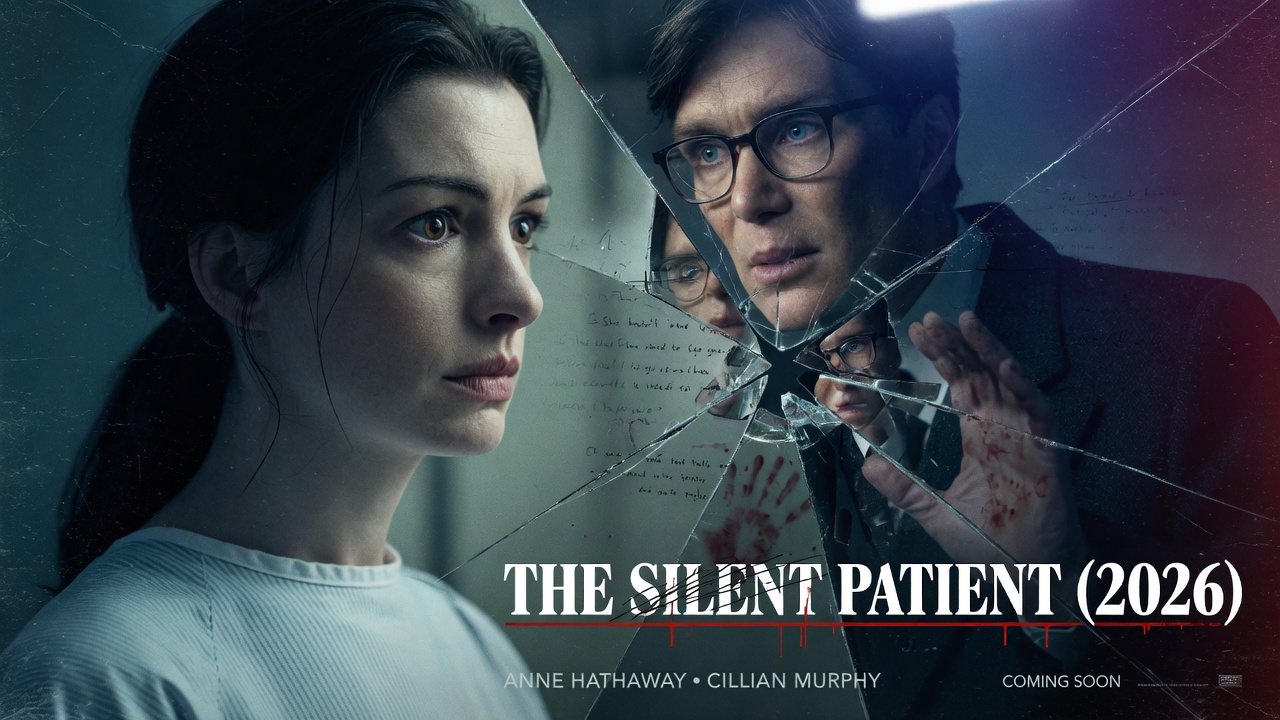
The Silent Patient (2026) emerges as a haunting psychological labyrinth that grips the viewer from its very first frame, crafting an atmosphere so suffocatingly tense that even silence feels deafening. Adapted from the bestselling novel The Silent Patient by Alex Michaelides, the film transforms a seemingly simple premise into a deeply unsettling exploration of trauma, obsession, and the fragility of truth. The story centers on Alicia Berenson, a celebrated painter who inexplicably shoots her husband and then falls into complete silence—never uttering another word. This chilling act becomes the axis around which the entire narrative spins, pulling audiences into a world where answers are buried beneath layers of psychological distortion and emotional decay.
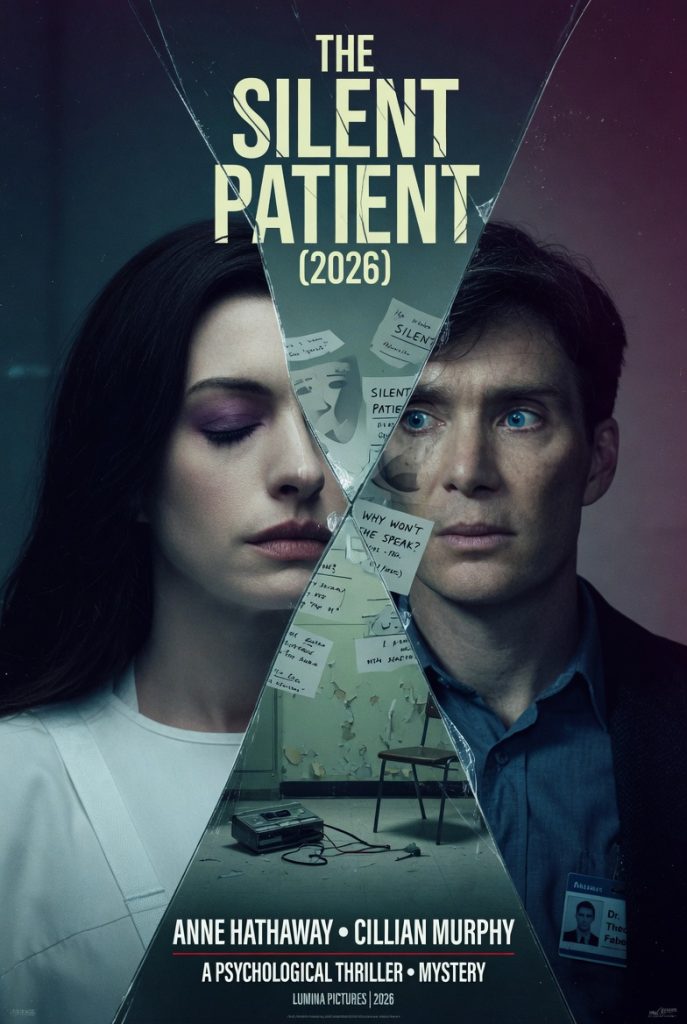
What makes the film so mesmerizing is not the crime itself, but the eerie stillness that follows. Alicia’s silence becomes a character of its own—ominous, defiant, and deeply symbolic. As she is confined within a high-security psychiatric facility, the film shifts its focus to Theo Faber, a criminal psychotherapist whose obsession with Alicia borders on dangerous fixation. His determination to make her speak feels less like professional duty and more like a desperate need to unravel something within himself. This duality—patient and therapist, silence and speech—creates a psychological tug-of-war that keeps the audience constantly questioning what is real and what is merely perception.


The narrative unfolds like a slow-burning descent into madness, carefully peeling back layers of Alicia’s past while simultaneously exposing Theo’s own unraveling psyche. Every therapy session becomes a battlefield of unspoken tension, where gestures, glances, and fragmented memories speak louder than dialogue ever could. The film excels in building a sense of unease through its pacing, allowing moments to linger just long enough to make viewers uncomfortable, yet never enough to provide clarity. It is this deliberate ambiguity that transforms the story into a puzzle—one that feels almost impossible to solve, yet impossible to look away from.

Visually, The Silent Patient thrives on contrast: cold institutional corridors against the warmth of Alicia’s lost artistic life, dimly lit rooms against the stark exposure of truth. The cinematography mirrors the fractured mental states of its characters, often framing them in isolation, as if trapped within their own minds. The use of silence is particularly masterful—there are stretches where no dialogue is spoken, yet the emotional intensity is overwhelming. It is in these moments that the film truly shines, proving that fear and tension do not require noise, only presence.

As the story progresses, the lines between victim and perpetrator begin to blur in ways that feel both shocking and inevitable. The film carefully plants seeds of doubt, leading the audience down multiple narrative paths before pulling the rug out from beneath them. When the truth finally emerges, it does so with devastating impact—not as a simple twist, but as a complete recontextualization of everything that came before. The revelation is not just surprising; it is deeply unsettling, forcing viewers to confront the uncomfortable reality that the most dangerous monsters are often hidden in plain sight.

Ultimately, The Silent Patient (2026) is more than just a psychological thriller—it is an exploration of the human mind at its most fragile and most deceptive. It challenges the audience to question the nature of truth, the reliability of memory, and the consequences of unresolved trauma. Long after the credits roll, the film lingers like a whisper in the dark, leaving behind a haunting question: is silence a refuge… or the most terrifying confession of all?